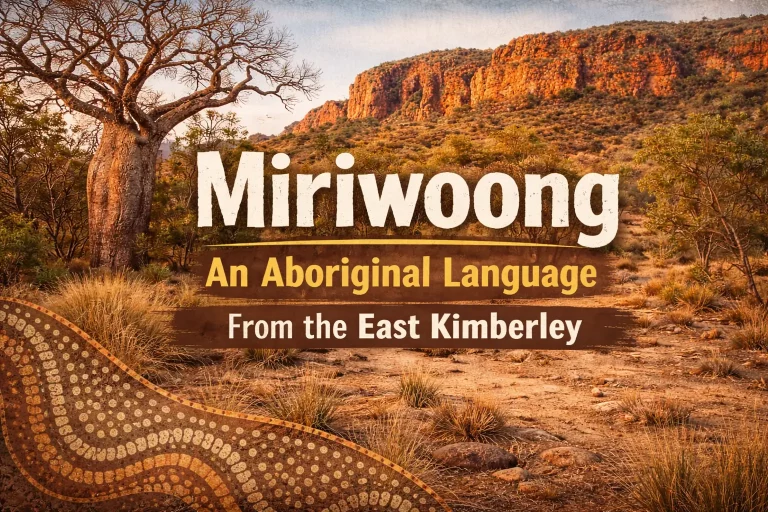
Miriwoong: One of Australia’s Languages Still Holding On
TL;DR: Miriwoong is an Aboriginal language from the East Kimberley. Still spoken but vulnerable. It carries deep cultural and land-based
Read more
TL;DR: Miriwoong is an Aboriginal language from the East Kimberley. Still spoken but vulnerable. It carries deep cultural and land-based
Read more
Most Russian learners hit a wall somewhere between A2 and B1. This stage is often called the Russian plateau, when
Read more
Palaeolinguistics helps us study how human language didn’t appear overnight. Long before writing, dictionaries, or even settled societies, early humans
Read more
TL;DR: Language learning in 2026 is shifting from fixed courses to adaptive, use-driven systems. Language Learning Trends show that AI
Read more
Reading Russian is one of the fastest ways to level up, not because you “know more grammar”, but because your
Read more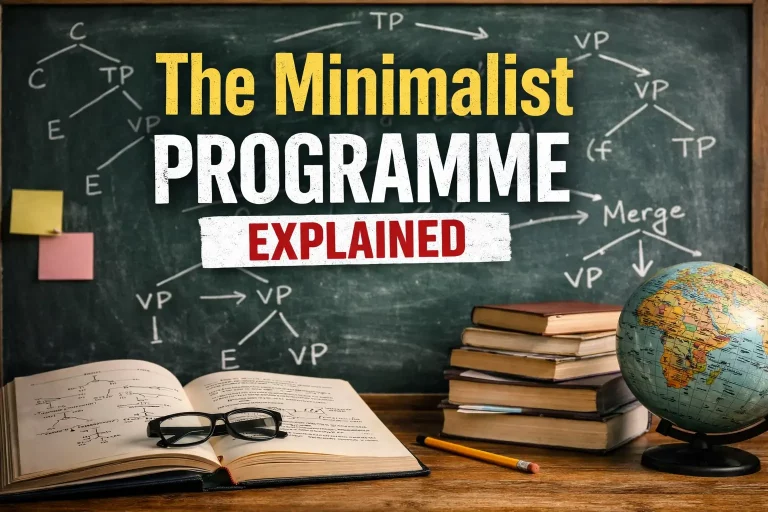
Every sentence you speak is built on an underlying structure you never think about. Noam Chomsky’s theory of simplified syntax
Read more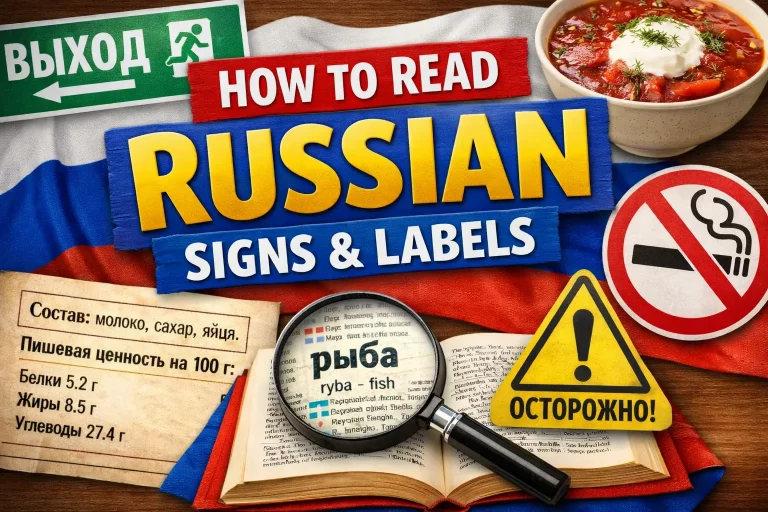
Walking through a Russian-speaking city as a beginner can feel like everything is written in code. It’s only when you
Read more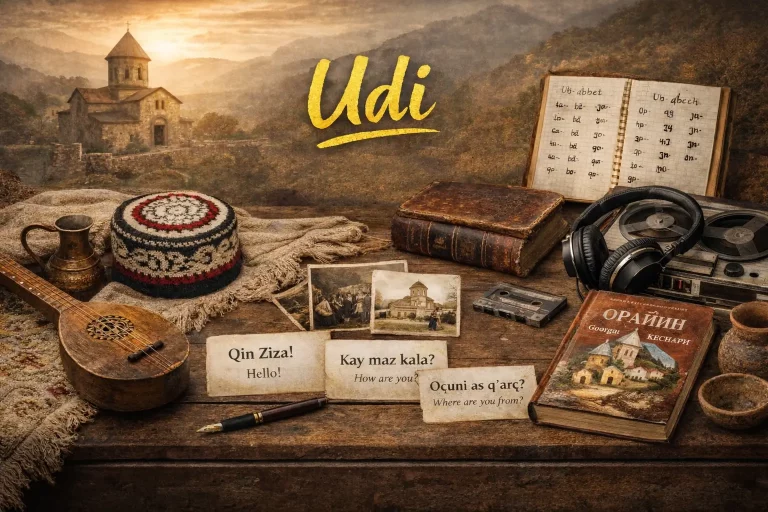
TL;DR: Udi isn’t just endangered. It’s hanging on. Spoken by a small Caucasus community, it’s a rare link to an
Read more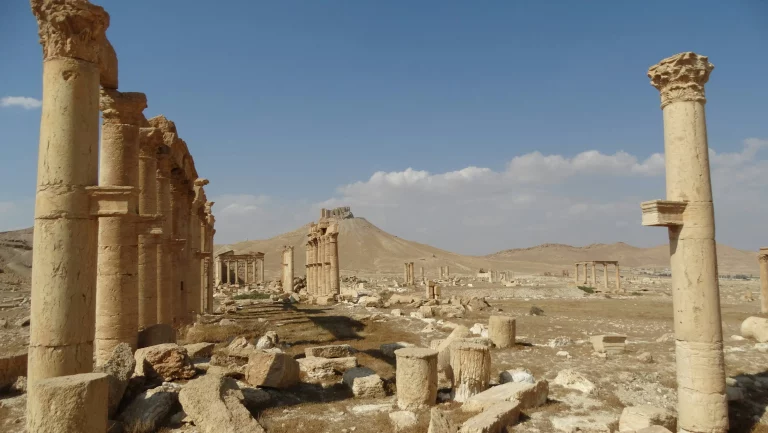
TL;DR: Turoyo is a culturally rich Aramaic language, but it’s under pressure as migration and dominant languages push it out
Read more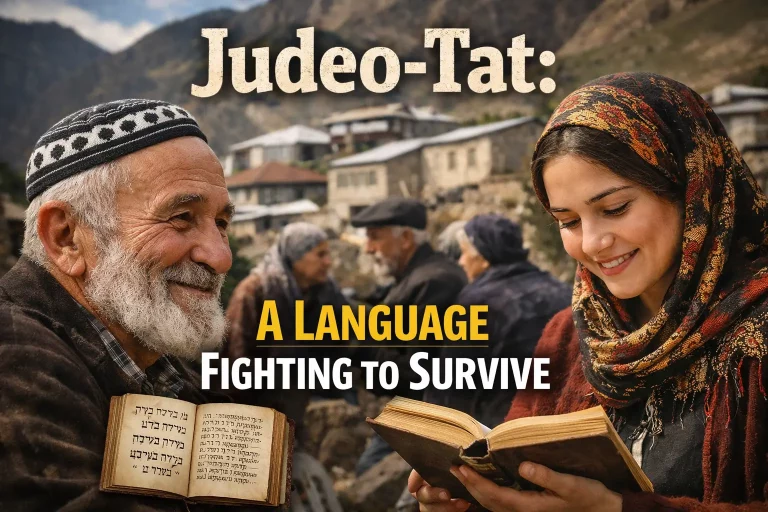
TL;DR: Judeo-Tat is an endangered Iranian Jewish language shaped by Persian, Hebrew, and life in the Caucasus, once central to
Read more