Badeshi: A Vanishing Language of the Hindu Kush Mountains

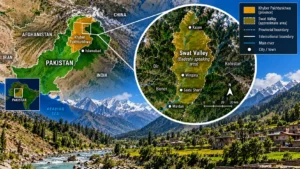
Badeshi

TL;DR: Badeshi is a nearly extinct language from Pakistan’s Swat Valley, now spoken by only a few elderly people. Without new speakers, it may disappear, but documentation and preservation efforts can still protect its legacy. High in the remote valleys of northern Pakistan’s Hindu Kush mountains, a little-known language called Badeshi is fighting for survival. … Read more

Ayapaneco: Preserving One of the World’s Rarest Languages

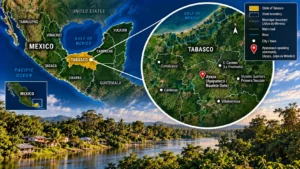
Ayapaneco

TL;DR: Ayapaneco (Nuumte Oote) is a critically endangered Indigenous language from Ayapa in Tabasco, Mexico, with only a few speakers remaining. It has declined due to the dominance of Spanish and limited learning resources, but community efforts and linguistic research are helping document and preserve the language. Deep in the Mexican state of Tabasco, a … Read more

Awa Pit: The Endangered Language of the Awa People

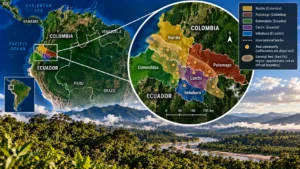
Awa Pit language

TL;DR: Awa Pit is an Indigenous language spoken by the Awa people in Colombia and Ecuador. It belongs to the Barbacoan language family and carries important cultural knowledge and traditions. Although still used in some communities, it faces pressure from Spanish, making preservation efforts increasingly important. Languages carry history, identity, and knowledge passed down through … Read more

Apinayé: The Indigenous Language of Brazil’s Apinayé People

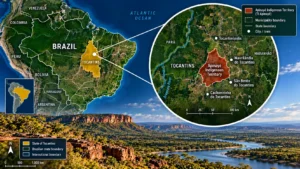
apinayé language

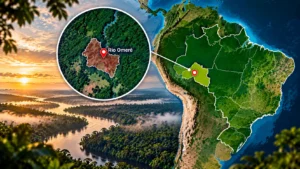
TL;DR: Apinayé is an Indigenous language spoken in Brazil by the Apinayé people. It carries important cultural knowledge and traditions, but faces pressure from the Portuguese. Community efforts, education, and documentation are helping preserve the language for future generations. Hidden deep within Brazil’s central plateau, the Apinayé language carries the history, identity, and worldview of … Read more

Aore: A Small but Unique Language of the South Pacific

aore language

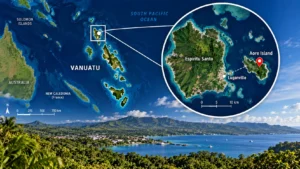
TL;DR: Aore is a small Oceanic language connected to Aore Island in Vanuatu. Like many Pacific languages, it reflects the region’s cultural traditions, community identity, and deep connection to the environment. Although influenced by larger languages such as Bislama, English, and French, efforts from communities and documentation help support its preservation and awareness. Hidden among … Read more

Amurdak: The Lost Aboriginal Language of Northern Australia

Amurdak language

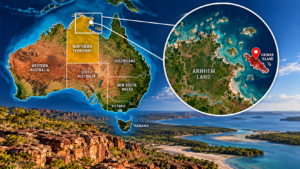
TL;DR: Amurdak is a critically endangered Aboriginal language from northern Australia that was traditionally spoken in Arnhem Land and around Croker Island. After the death of its last fluent speaker, the language now survives mainly through recordings and linguistic research. Languages don’t just disappear overnight. Most fade slowly, losing speakers generation by generation until only … Read more

Akuntsu: One of the World’s Endangered Amazonian Languages

Akuntsu

TL;DR: Akuntsu is a critically endangered Amazonian language spoken by only a few remaining members of the Akuntsu community in Brazil. With such a small number of speakers, the language faces extinction, making documentation and cultural preservation essential. Akuntsu is one of the world’s most endangered languages, spoken by only a handful of people from … Read more

Aka: The Language of the BaAka People of Central Africa

Aka language

TL;DR: Aka is the traditional language of the BaAka rainforest communities of Central Africa, carrying centuries of cultural knowledge, storytelling, and ecological wisdom while facing modern challenges from globalisation and language shift. Deep in the rainforests of Central Africa, the Aka language has been spoken for generations by the BaAka people, one of the region’s … Read more

Tjupan: The Language and Heritage of the Tjupan People

Tjupan language

TL;DR Tjupan is an Indigenous Australian language deeply connected to the history, culture, and identity of the Tjupan people. Although it faces challenges from language decline and modern influences, community efforts, education, and documentation are helping preserve and revitalise it for future generations. Tjupan is more than a means of communication. It is a living … Read more