01
Beginner vs Intermediate Language Learning: What Actually Changes
TL;DR; Language learning moves through clear stages, and the shift from beginner to intermediate is a key turning point. The…
Read articleLLH Archive / field notes on language
Essays, practical guides and language records for people who want to understand what they are learning, not only complete another lesson.
TL;DR; Language learning moves through clear stages, and the shift from beginner to intermediate is a key turning point. The…
Read articleTL;DR: Baniva is an endangered Arawakan language spoken in remote parts of Venezuela and Colombia. Once widespread across Amazonian communities,…
Read articleTL;DR: When comparing italki vs Verbling, italki offers maximum flexibility, a wide range of teachers, and more affordable options, but…
Read article
TL;DR: Psycholinguistics explains how the brain learns, understands, and produces language. It combines psychology and linguistics to reveal how we…
Read article
TL;DR: Preply offers structured support with tutor feedback, homework, and personalised materials, ideal for guided, long-term progress. Cambly keeps things…
Read article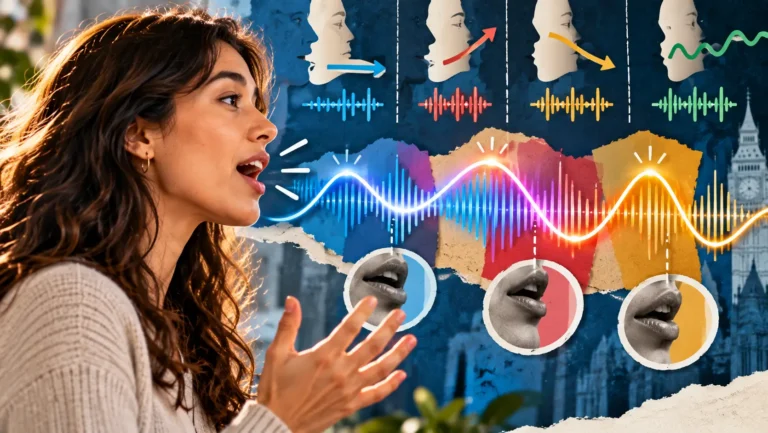
TL;DR: English is driven by stress, rhythm, and intonation, the “hidden music” that shapes meaning, emotion, and clarity. Mastering these…
Read article
TL;DR: Discourse analysis explores how language is used in real-world contexts to shape meaning, interaction, and power. It shows how…
Read article
TL;DR: This Baselang vs Preply comparison covers two very different paths to language learning. Baselang is built for fast, immersive…
Read article
TL;DR: British vs American English is a common topic among language learners. British and American English share the same roots…
Read articleSend an editorial question, suggest a language record or point us towards a source we should read.
Write to the editorial desk ↗