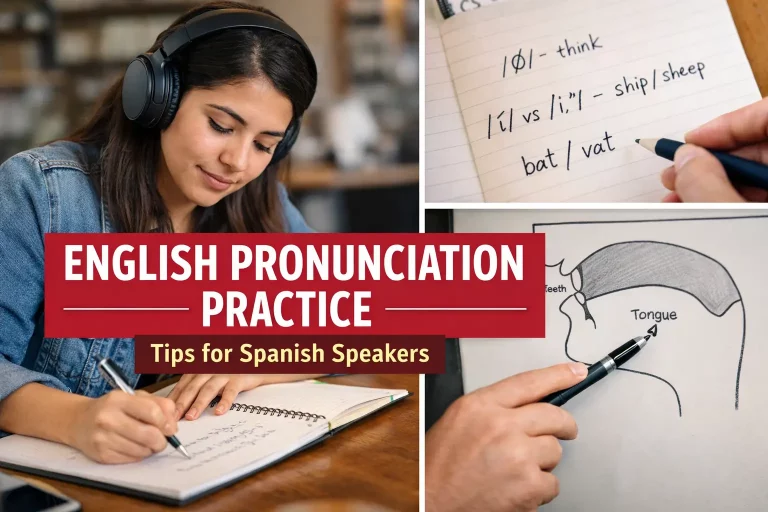
A Practical Guide to English Pronunciation for Spanish Speakers
TL;DR: English pronunciation feels hard for Spanish speakers because the rules are completely different. More vowel sounds, unpredictable spelling, and
Read more
TL;DR: English pronunciation feels hard for Spanish speakers because the rules are completely different. More vowel sounds, unpredictable spelling, and
Read more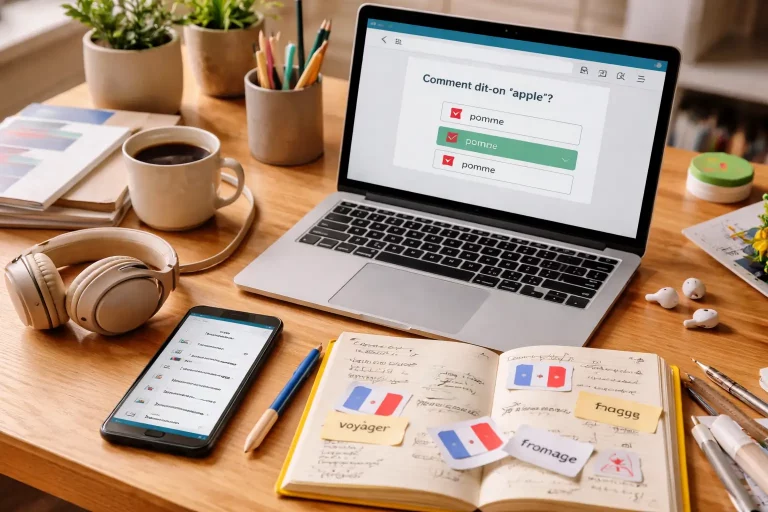
TL;DR: The French B1 plateau isn’t a failure. It’s the point where your old methods stop working. At B1, you
Read more
TL;DR: Watching French films isn’t the problem. Watching passively is. If you rely on English subtitles, you follow the story
Read more
TL;DR: Linguistics isn’t about memorising rules. It’s about understanding how language actually works: how we think, communicate, and shape meaning.
Read more
TL;DR: Māori is more than a language. Its identity, ancestry, and connection to land. Born from Polynesian roots and shaped
Read more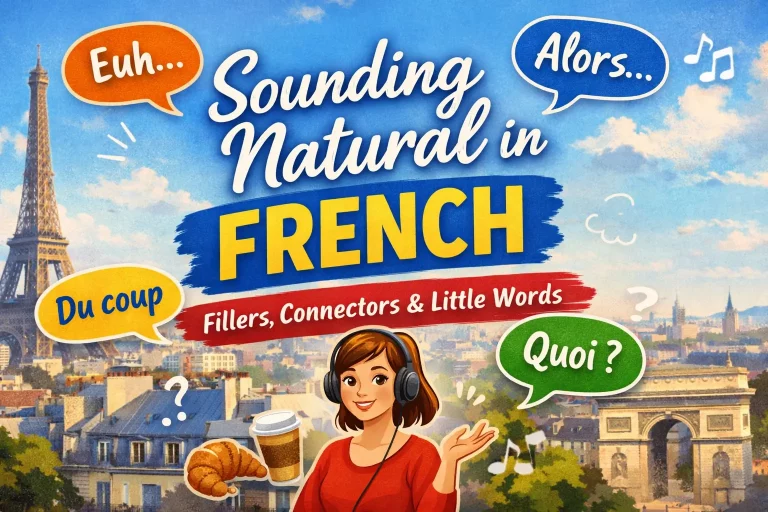
TL;DR: Sounding natural in French isn’t about advanced grammar. It’s about using small, everyday words the way native speakers do.
Read more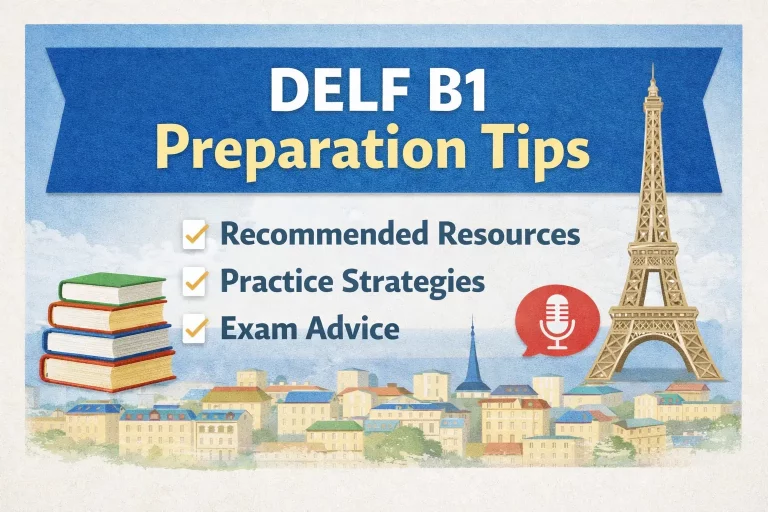
TL;DR: DELF B1 isn’t about perfect French. It’s about communicating clearly under pressure. The exam tests four skills equally: listening,
Read more
TL;DR: Rural Bislama shows that Bislama is far more than a simple national creole. Outside Vanuatu’s towns, it shifts in
Read more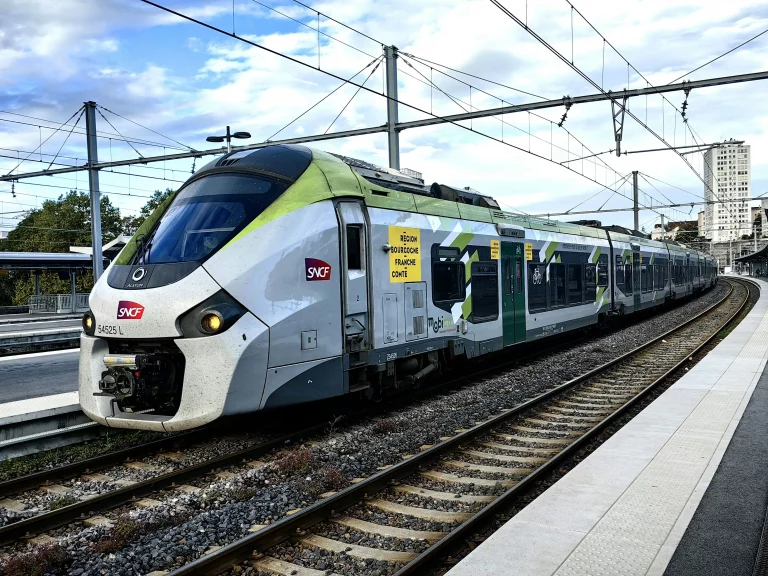
TL;DR: You don’t need perfect French to travel well in France, you just need the right phrases at the right
Read more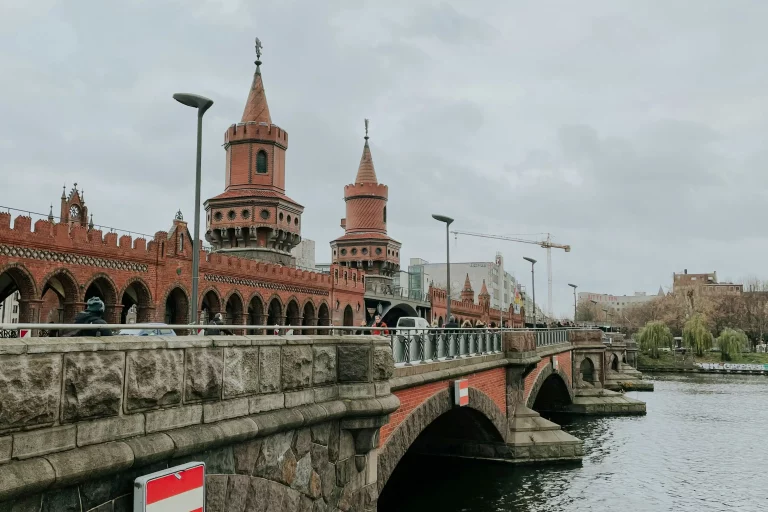
TL;DR: You don’t need fluent German to travel smoothly, just the right phrases for trains and hotels. A few essentials
Read more