French False Friends: Common Traps and How to Avoid Them
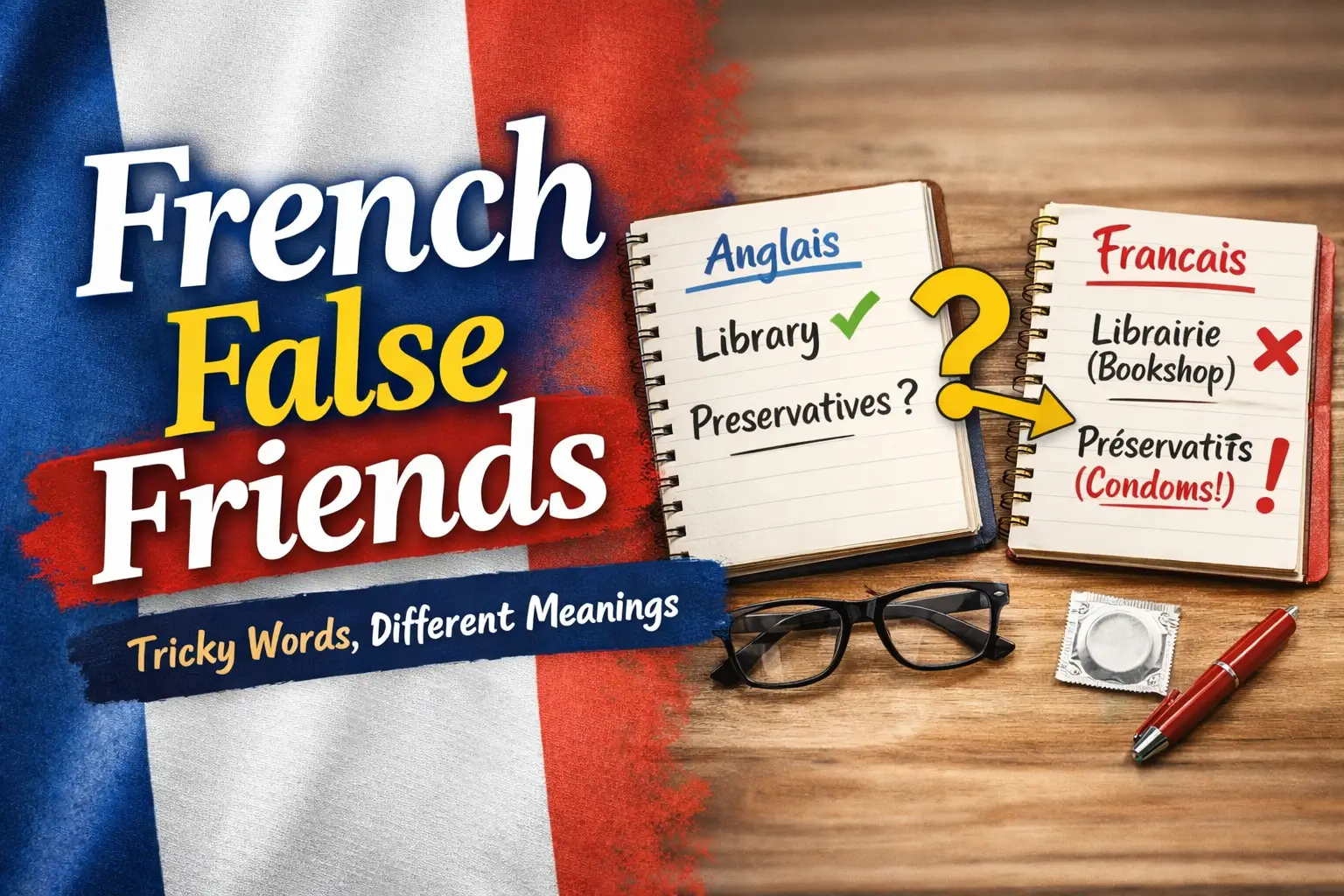
french false friends

TL;DR: French false friends look familiar, but they trick you. They’re words that resemble English but mean something completely different, leading to subtle mistakes, awkward moments, and misunderstandings you often don’t notice. The fix is simple: stop trusting appearances. That French word looks familiar – but French false friends change this. You translate it. And … Read more

French Listening Practice for Beginners: Simple 15-Minute Routine

french listening practice

TL;DR: French listening feels overwhelming at first—but you don’t need hours to improve. A simple 15-minute daily routine is enough: warm up your ear, focus on one short audio, then reflect on what you understood. Don’t try to catch every word. Train yourself to recognise patterns and meaning instead. French listening practice can feel intimidating … Read more

Preserving Tuwuli: Opportunities for a Rare Ghanaian Language

Tuwuli Language

TL;DR: Tuwuli is a small but culturally rich language in eastern Ghana, and it’s at risk. Spoken mainly by older generations, it’s being replaced by English and regional languages like Ewe. As younger speakers shift away, everyday use declines and intergenerational transmission weakens. Spoken by a small community in eastern Ghana, Tuwuli is a rare … Read more

German Listening Practice for Beginners: How to Train Your Ear Daily

TL;DR: German listening feels hard because spoken German sounds very different from what you read. The solution isn’t more study, it’s daily exposure. Just 5–10 minutes of focused listening helps your ear adapt to sounds, rhythm, and real speech patterns. German often sounds fast and blurred to beginners; this is why German listening practice is … Read more

Think in English Instead of Translating from Your Native Language

stop translating and think in English

TL;DR: Translating in your head feels helpful, but it slows you down and blocks fluency. Real progress starts when you think in English, not translate it. That means understanding ideas directly, without switching languages. Start small: use simple self-talk, learn phrases (not single words), and focus on meaning over perfection. When learning English, translating in … Read more

Learn German Separable Verbs (And Actually Remember Them)

german separable verbs

TL;DR: Separable verbs feel confusing at first, but they’re not random, just misunderstood. They follow clear patterns: a base verb + a prefix that moves depending on the sentence. In main clauses, the verb splits. In others, it stays together. Once you understand when and why, everything clicks. The real shift is this: stop memorising … Read more

How to Answer Job Interview Questions in English: Useful Phrases

english job interview questions

TL;DR: English interviews aren’t about perfect English, they’re about clear, structured communication. Most questions follow patterns (behavioural, situational, technical). If you prepare a few strong examples and use a simple structure like STAR, your answers become clear and confident. English job interview questions are stressful. Doing one in English makes them even harder. In an … Read more

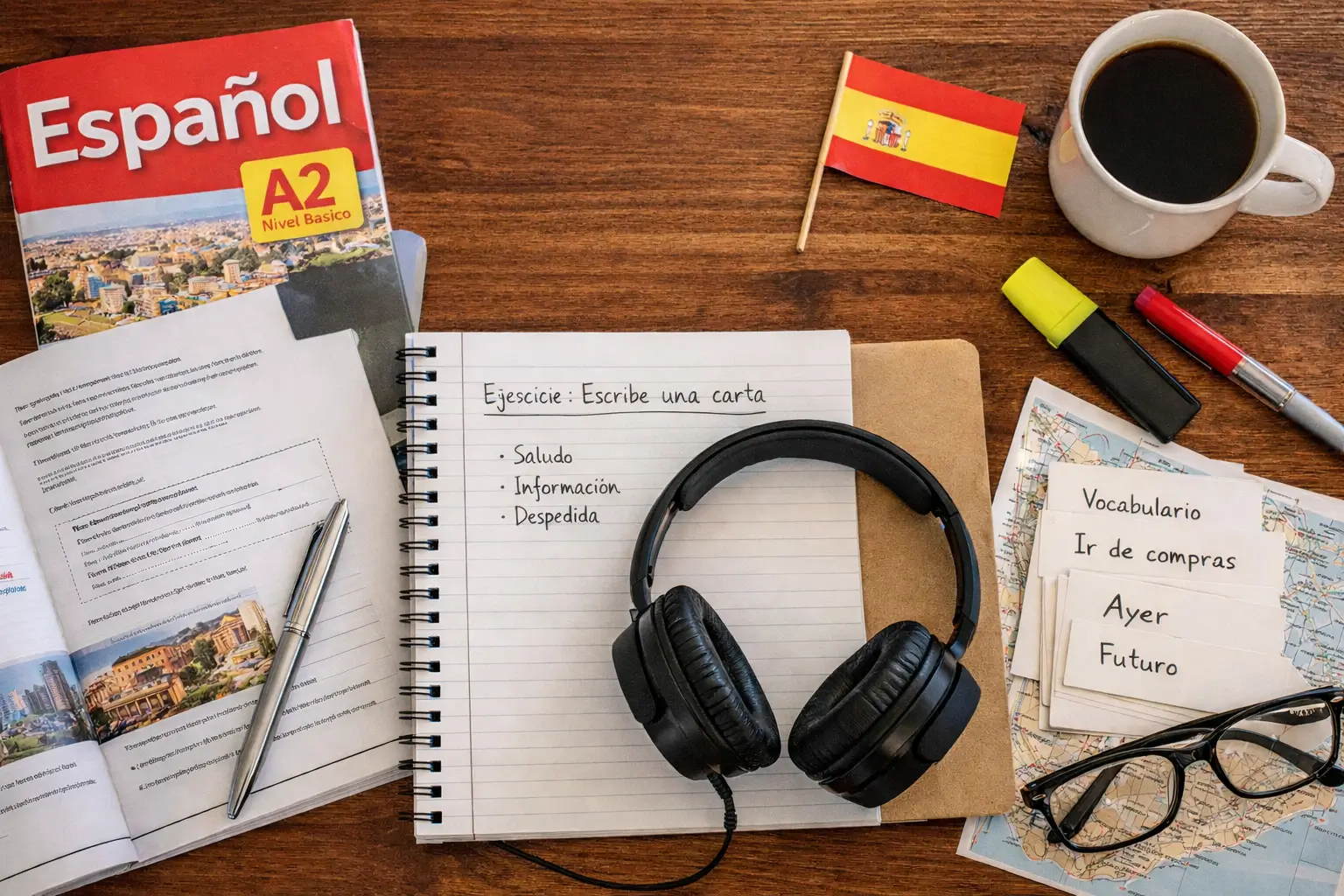
How to Prepare for the DELE A2 Spanish Exam as a Self-Taught Learner

DELE A2 Spanish Exam

TL;DR: Passing DELE A2 isn’t about studying more, it’s about studying smart. Understand the exam first (reading, writing, listening, speaking), then train each skill with targeted practice and real exam-style tasks. You need 60+ overall AND to pass both groups, so balance matters. Preparing for the DELE A2 Spanish exam as a self-taught learner doesn’t … Read more

Secret Languages: Royal Families Around the World

secret languages

TL;DR: Royal “secret languages” were never really about secrecy alone. They were tools of control, identity, and hierarchy. Across monarchies, language helped protect private conversations, signal status, and separate insiders from outsiders. Whether through coded phrases, dialect shifts, or formal speech, what mattered wasn’t the words themselves but who understood them. Palace gates and ceremonial … Read more

How to Understand Fast-Spoken Spanish: Techniques That Work

fast-spoken spanish

TL;DR: Fast-spoken Spanish feels difficult because real speech is fast, connected, and full of reductions that textbooks don’t teach. The solution isn’t more grammar. It’s training your ear to recognise patterns, rhythm, and meaning instead of individual words. By focusing on key sounds, common phrases, and context, you can follow conversations without understanding everything. Fast-spoken … Read more