
|
Getting your Trinity Audio player ready...
|
TL;DR: The Aché language is an Indigenous language of eastern Paraguay that carries the culture and traditions of the Aché people. It faces pressure from deforestation, social change, and the spread of Spanish, but community initiatives and preservation efforts are working to keep the language alive.
The Aché language is more than a way of speaking. It is the living voice of the Aché people of Paraguay.
Today, however, the language faces growing pressure as Spanish becomes more dominant across the region.
Preserving Aché is not only about protecting words, but also about safeguarding culture, history, and a unique way of understanding the world.
Historical Background of the Aché People
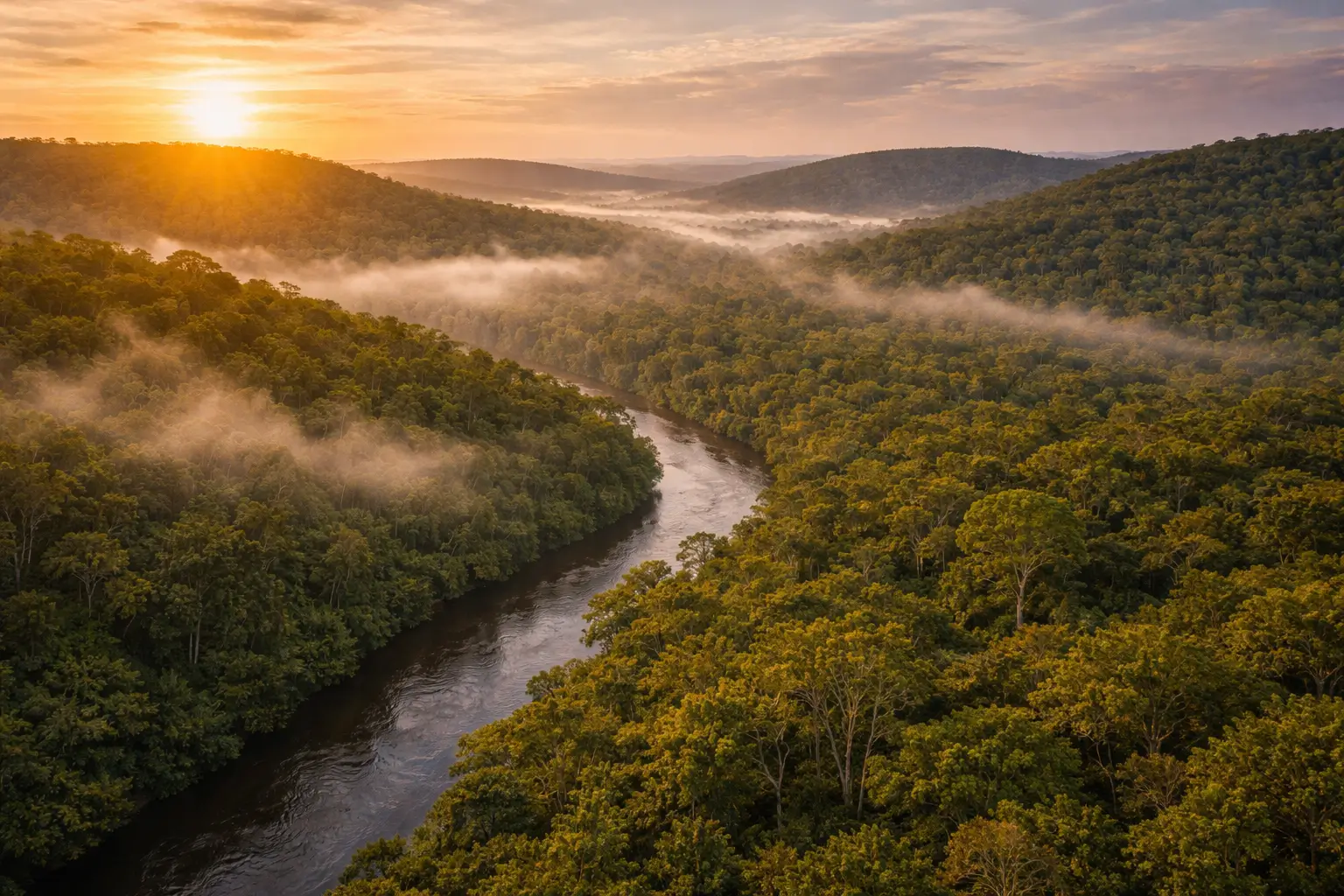
The history of the Aché people is closely tied to the forests of eastern Paraguay.
For centuries, they lived in relative isolation, developing a way of life deeply connected to the natural environment.
Their origins, traditions, and the changes brought by outside contact help explain both the resilience of the Aché community and the challenges their language and culture face today.
Origins and migration patterns
Anthropologists believe the Aché are part of the wider Guaraní linguistic and cultural family, though their history followed a distinct path.
Over time, small groups moved through the dense forests of eastern Paraguay, adapting to the landscape and forming relatively independent communities.
Traditional lifestyle and cultural practices
For most of their history, the Aché lived as semi-nomadic hunter-gatherers, relying heavily on the forest for food, shelter, and tools.
Knowledge about hunting techniques, forest navigation, and medicinal plants was passed down through oral tradition and storytelling.
Helping younger generations learn how to survive and thrive in the environment around them.
Impact of colonisation and external influences
Contact with outsiders dramatically changed the lives of the Aché people.
During the 20th century, expanding settlements, logging, and government policies pushed many Aché communities out of their traditional forest territories.
As communities were relocated or integrated into wider Paraguayan society, Spanish became more dominant, and opportunities to use the Aché language in daily life declined.
Language and Communication
Language sits at the heart of Aché culture. It shapes how people share knowledge, pass down traditions, and connect as a community.
For the Aché people, their language is not just a tool for communication. It is a key part of their cultural identity and collective memory.
What is the Aché language?
The Aché language belongs to the Tupí–Guaraní language family, one of the largest language groups in South America.
Although it shares some historical roots with Guaraní, Aché developed its own distinct vocabulary, pronunciation, and expressions through generations of use within forest communities.
Importance of language in cultural identity
For the Aché people, language plays a central role in expressing identity, traditions, and worldview. Many cultural practices, stories, and forms of traditional knowledge are closely tied to the language itself.
Through Aché, elders pass on important lessons about the forest, community values, and ancestral history.
When younger generations learn and use the language, they also maintain a connection to their heritage and the experiences of their ancestors.
Current status of the Aché language and efforts to revitalise it
Today, the Aché language faces challenges as Spanish dominates education, government, and wider communication across Paraguay.
Younger generations may grow up using Spanish more frequently, which can reduce opportunities to speak Aché in everyday life.
Despite this, community leaders, linguists, and cultural organisations have begun working to document and preserve the language.
These efforts include linguistic research, educational initiatives, and cultural programmes aimed at encouraging younger Aché speakers to continue using their ancestral language.
Cultural Practices and Traditions
The culture of the Aché people reflects a deep connection to nature, community, and ancestral knowledge.
These cultural practices help strengthen community bonds and ensure that knowledge is passed from one generation to the next.
Traditional Aché customs, rituals and beliefs
Traditional Aché customs are closely linked to life in the forest.
Daily activities such as hunting, gathering, and preparing food are not only practical tasks but also cultural practices shaped by long-standing traditions.
Beliefs about nature, the spirit world, and the balance between people and their environment influence many aspects of Aché life.
Role of storytelling and oral traditions in preserving culture
Storytelling has long been one of the most important ways Aché culture is preserved and shared.
Through stories, elders pass on knowledge about history, survival skills, moral lessons, and the relationship between people and the natural world.
Significance of music, dance and art in Aché society
Music, dance, and artistic expression are also important elements of Aché culture.
These forms of expression are often connected to community gatherings, celebrations, and shared cultural experiences.
Songs and rhythms can reflect daily life, nature, and spiritual beliefs, while dance provides a way for people to celebrate and strengthen social ties
Modern Challenges Facing the Aché Community
Like many Indigenous communities across South America, the Aché people face a range of modern challenges that affect both their livelihoods and cultural traditions.
Rapid environmental change, economic pressures, and social shifts have created new obstacles that were largely absent from traditional Aché life.
Effects of deforestation and land encroachment
The forests of eastern Paraguay have long been central to Aché life. They provided food, shelter, medicine, and the foundation for traditional hunting and gathering practices.
However, large areas of forest have been cleared over recent decades due to agriculture, logging, and expanding settlements.
As natural habitats disappear, access to traditional hunting grounds and resources becomes more limited. This environmental pressure not only affects livelihoods but also weakens the cultural practices tied to the forest.
Socio-economic challenges and access to education and healthcare
Many Aché communities face socio-economic challenges linked to poverty, limited infrastructure, and geographic isolation.
Access to quality education, healthcare, and employment opportunities can be uneven, particularly in remote areas.
Education systems also tend to prioritise Spanish, which can create barriers for children whose first language is Aché.
Loss of cultural identity
Globalisation and integration into wider Paraguayan society have brought new influences into Aché communities.
While these changes can provide opportunities, they can also place pressure on traditional practices and cultural identity.
Maintaining a strong cultural identity, therefore, depends on continued efforts to preserve language, share stories, and pass down traditions within families and communities.
Community Initiatives for Preservation
Despite the challenges they face, many Aché communities are actively working to protect their language, traditions, and cultural identity.
Local leaders, educators, and community members have taken important steps to ensure that younger generations remain connected to their heritage.
These initiatives combine traditional knowledge with modern support systems to strengthen cultural preservation.
Grassroots movements and local organisations working to preserve Aché culture
Many preservation efforts begin within the Aché communities themselves.
Community gatherings, cultural events, and storytelling sessions help reinforce traditions while creating spaces where younger generations can learn directly from elders.
These grassroots efforts are essential for keeping cultural knowledge alive within the community.
Educational programmes aimed at youth and language revitalisation
Education has become an important tool for preserving the Aché language and culture.
Some schools and community programmes are working to incorporate Indigenous language learning and cultural knowledge into educational activities.
Encouraging young people to speak and value the Aché language plays a key role in long-term revitalisation efforts.
Collaboration with NGOs and government bodies
In addition to community-led initiatives, partnerships with NGOs, researchers, and government institutions have helped support preservation efforts.
Linguists and cultural organisations have worked with Aché communities to document the language and record oral histories.
The Role of Technology in Preservation
For the Aché people, digital platforms offer new ways to document traditions, share knowledge, and connect with wider audiences.
While technology cannot replace lived cultural practices, it can help ensure that important knowledge is recorded and accessible for future generations.
Use of digital platforms to document and share Aché culture
One of the most important uses of technology in cultural preservation is documentation.
Linguists, researchers, and community members can record spoken language, oral histories, traditional stories, and cultural practices using audio and video tools.
Digital archives allow this material to be preserved and shared in ways that were not possible in the past.
Social media as a tool for raising awareness and connecting with allies
Social media platforms can also help raise awareness about the Aché people and their cultural heritage. By sharing stories, photos, and educational content online, communities and supporters can highlight the importance of Indigenous cultures and the challenges they face.
These platforms also create opportunities to connect with allies, researchers, and organisations interested in supporting cultural preservation and Indigenous rights.
Online resources for language learning and cultural exchange
Digital tools are also opening new possibilities for language revitalisation.
Online resources such as digital dictionaries, recorded lessons, and educational websites can help learners access the Aché language even if they live outside traditional communities.
These tools make it easier for younger generations and researchers to study the language, encouraging continued interest and engagement with Aché culture in the digital age.
How You Can Help
Preserving Indigenous languages and cultures is not only the responsibility of the communities themselves.
Greater awareness, respect, and support from the wider public can play an important role in protecting cultural heritage.
Ways for readers to support the Aché people and their preservation efforts
One of the most meaningful ways to help is by supporting organisations and initiatives that work with Indigenous communities to protect their languages and traditions.
Donations, partnerships, and volunteer efforts can help fund education programmes, language documentation, and cultural projects that benefit the Aché people.
Importance of advocacy and awareness-raising
Raising awareness about Indigenous communities and their challenges is another powerful way to help.
Sharing educational resources, articles, and research can bring attention to the importance of protecting Indigenous languages, land rights, and cultural heritage.
Advocacy also plays a role in encouraging governments and institutions to recognise and respect Indigenous communities, their territories, and their cultural traditions.
Resources for further learning and engagement
Learning more about Indigenous cultures helps build understanding and respect. Reading about Indigenous history, languages, and traditions can deepen awareness of the diversity of cultures around the world.
- Ethnologue: https://www.ethnologue.com/language/guq
- Glottolog: https://glottolog.org/resource/languoid/id/ache1246
- Endangered Languages Project: https://www.endangeredlanguages.com/lang/2553
- Google Scholar (Aché language research): https://scholar.google.com/scholar?q=Ache+language+Paraguay
- ELAR – Endangered Languages Archive: https://www.elararchive.org
- Britannica – Tupí–Guaraní Languages: https://www.britannica.com/topic/Tupi-Guarani-languages
Aché Language FAQs
What language family does Aché belong to?
The Aché language belongs to the Tupí–Guaraní language family, a large group of Indigenous languages spoken across parts of South America, particularly in Paraguay, Brazil, and Bolivia.
Where is the Aché language spoken?
Aché is spoken primarily in eastern Paraguay, especially in communities located in forest regions where the Aché people have traditionally lived.
Is the Aché language endangered?
Yes. The Aché language is considered vulnerable to endangerment because many younger speakers increasingly use Spanish for education, work, and everyday communication.
How many people speak the Aché language?
Estimates vary, but there are believed to be a few thousand speakers, mostly within Aché communities in Paraguay.
What efforts are being made to preserve the Aché language?
Preservation efforts include linguistic research, community-led education programmes, cultural initiatives, and digital documentation. All aimed at helping younger generations learn and continue using the language.