How to Communicate in Russian When Your Vocabulary Is Tiny
communicating in russian

TL;DR: You don’t need a big Russian vocabulary to communicate. You need a small set of high-impact words, plus context, tone, and simple phrases to carry meaning. Focus on basics, use gestures and pauses, listen actively, and build vocabulary gradually. Real progress comes from practical use, not perfect grammar. You don’t need a big Russian … Read more

Ecolinguistics: How Language Shapes Our Relationship with the Natural World

ecolinguistics

TL;DR: Language doesn’t just describe the environment, it shapes how we value and treat it. Ecolinguistics studies these hidden narratives, showing how words can either normalise exploitation or promote sustainability and care. Language doesn’t just describe the world. Ecolinguistics explores the crucial relationship between language and our environment. It shapes how we understand it. The words … Read more

How to Understand Russian Films Without Subtitles

understanding russian cinema

TL;DR: Russian films feel hard at first because they say less than they mean. To follow them without subtitles, stop chasing every word and start watching how Russian communication really works: tone, silence, context, body language, character types, and cultural cues. Russian films can feel impenetrable at first, especially for those trying to understand Russian … Read more

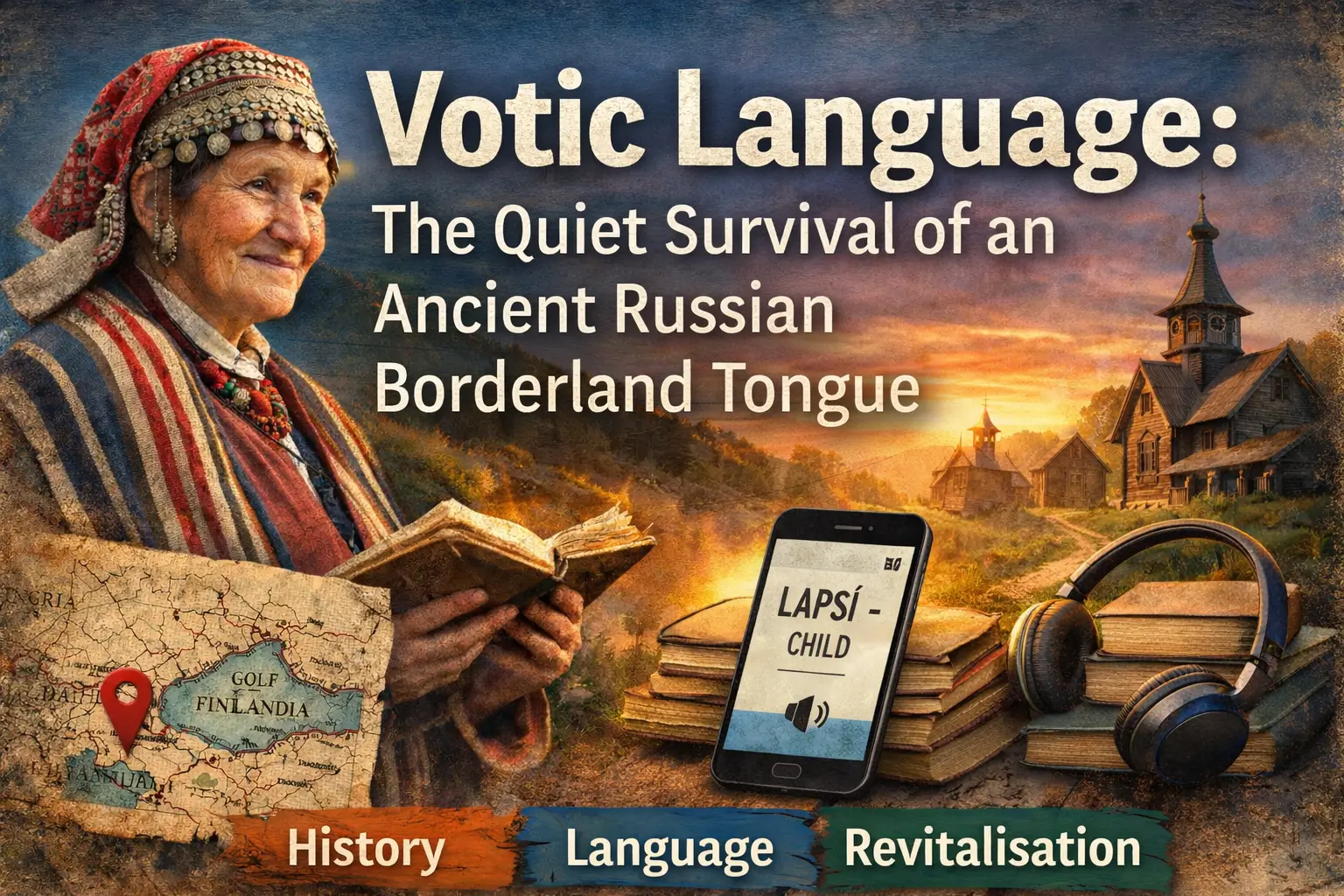
Votic Language: The Quiet Survival of an Russian Borderland Tongue

votic language

TL;DR: Votic is one of Europe’s most endangered languages, now spoken by only a handful of elderly speakers after decades of assimilation, displacement, and the dominance of Russian. It survives today through recordings, research, and cultural efforts, making it less a living community language and more a fragile but vital piece of human heritage. Along … Read more

Ume Sámi: A Rare Arctic Language Returning from the Brink

Ume Sámi

Ume Sámi is one of Europe’s quietest language survival stories. For much of the 20th century, it was assumed to be gone. Spoken only by relatives, recorded in fragments, and rarely passed on to children. Unlike better-known Sámi languages. Ume Sámi had no schools, no media presence, and no official recognition. Yet extinction was never … Read more

How to Think in Russian Instead of Translating from English

think in russian

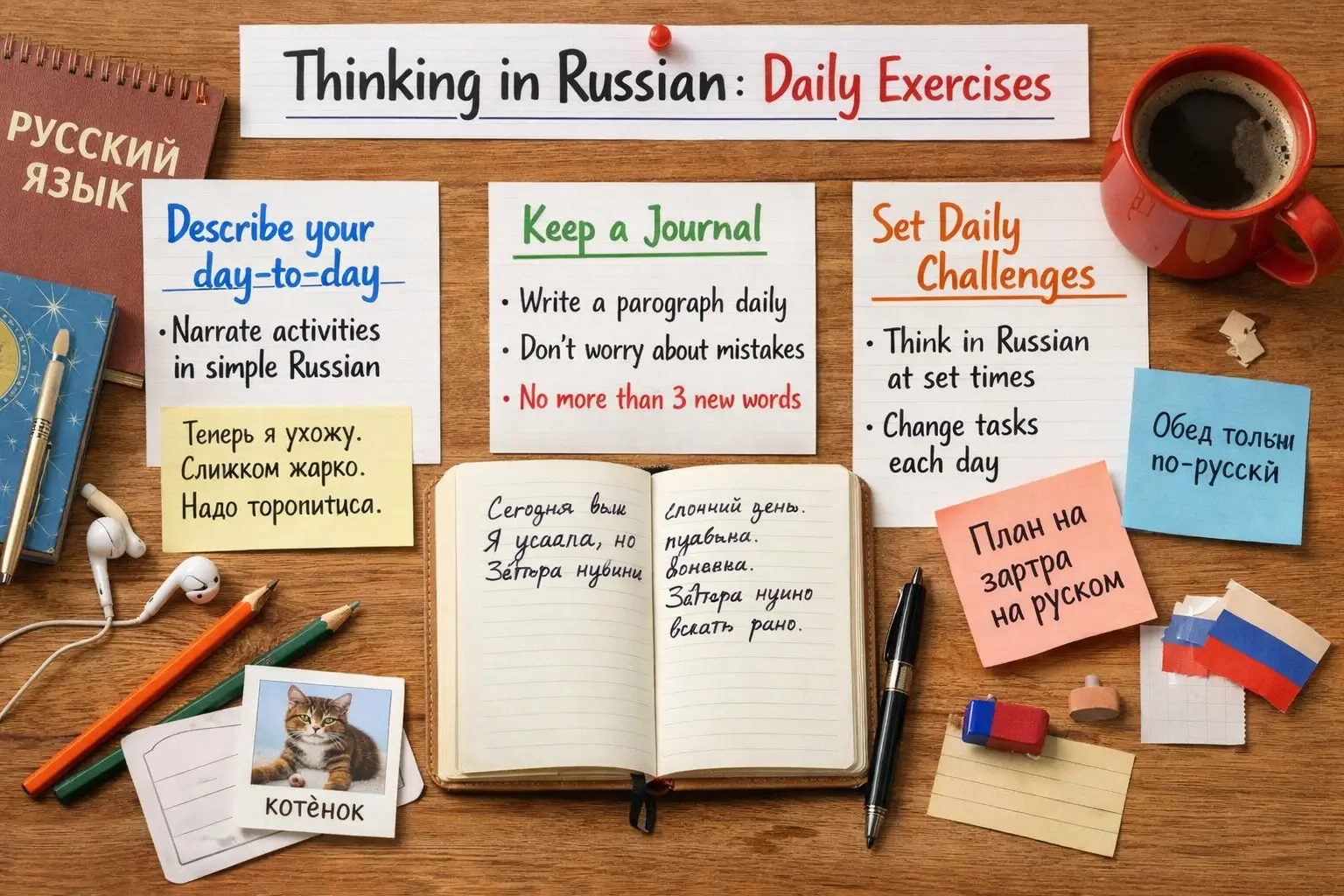
Most learners get stuck translating everything from English first. It works at the beginning, but later it slows you down, breaks your flow, and makes your Russian sound stiff or unnatural. Real fluency starts when Russian becomes the default, not the conversion. This guide shows you how to move away from mental translation and into … Read more

How to Use Russian YouTube Channels to Reach B1 Faster

Russian YouTube Channels

Most people use YouTube to dabble in Russian. The smart ones use it to break through to B1. If you want to seriously improve your listening, following Russian YouTube Channels is one of the best strategies. At this stage, grammar drills alone won’t save you. What you need is real, fast, slightly uncomfortable input. The … Read more

What Russians Really Say: Everyday Slang and Expressions

what russians really say

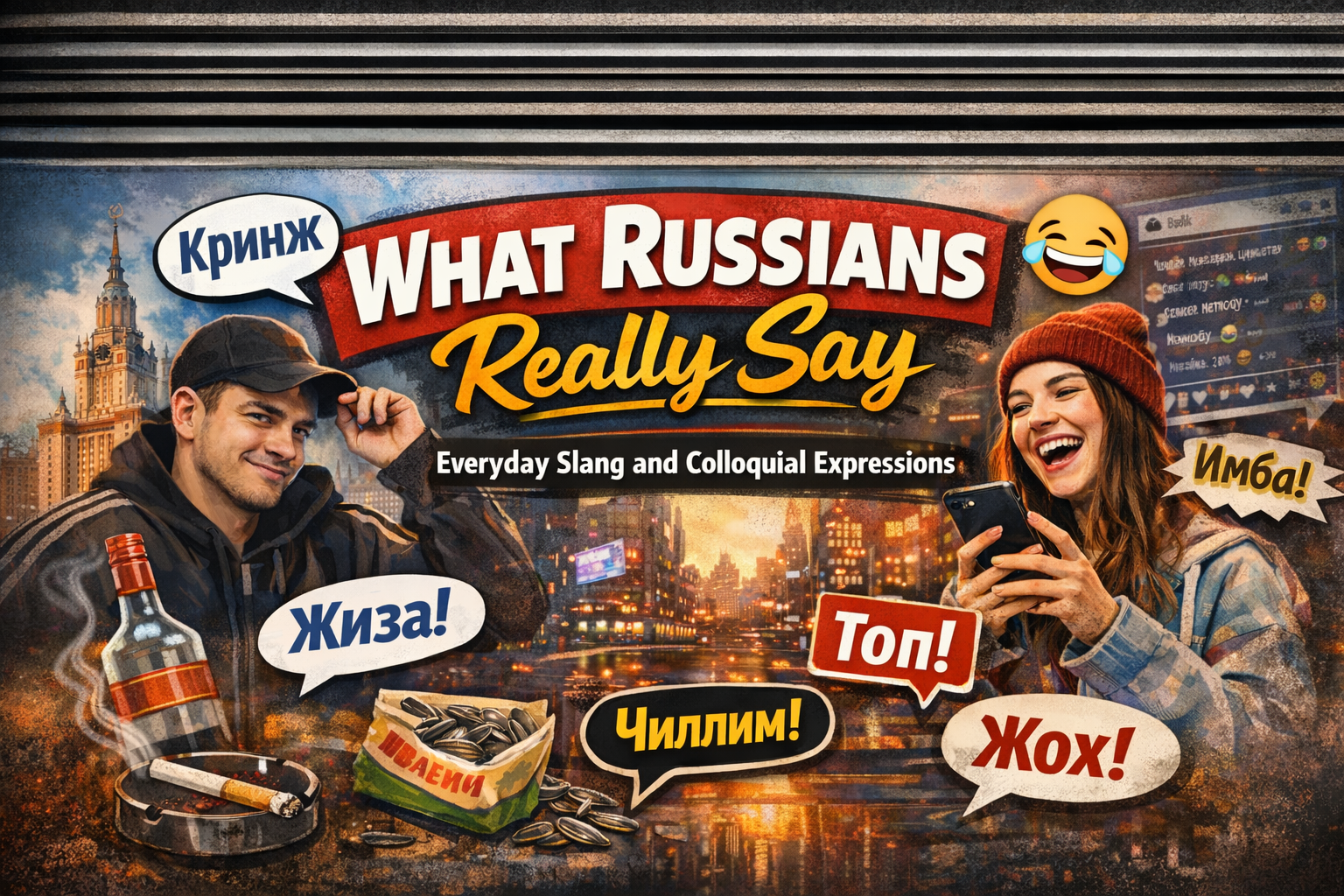
Russian in real life isn’t neat or textbook-perfect. It’s quick, expressive, and full of attitude. The moment people relax, the language changes. This article breaks down the slang and everyday phrases Russians actually use in conversations, messages, and online. You’ll learn what they really mean, when they sound natural, and how they reveal humour, emotion, … Read more