Aore: A Small but Unique Language of the South Pacific

aore language

TL;DR: Aore is a small Oceanic language connected to Aore Island in Vanuatu. Like many Pacific languages, it reflects the region’s cultural traditions, community identity, and deep connection to the environment. Although influenced by larger languages such as Bislama, English, and French, efforts from communities and documentation help support its preservation and awareness. Hidden among … Read more
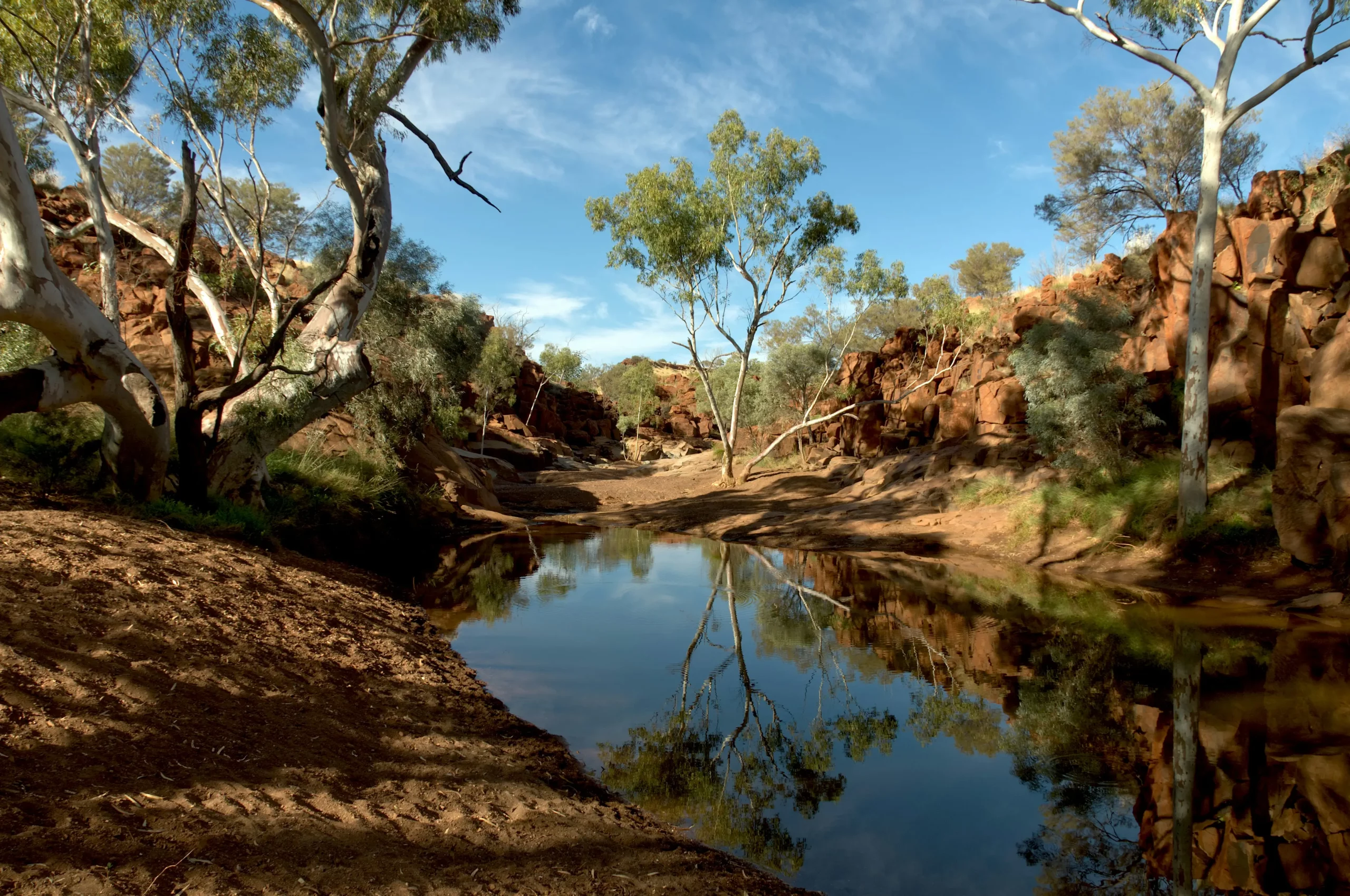
Amurdak: The Lost Aboriginal Language of Northern Australia

Amurdak language

TL;DR: Amurdak is a critically endangered Aboriginal language from northern Australia that was traditionally spoken in Arnhem Land and around Croker Island. After the death of its last fluent speaker, the language now survives mainly through recordings and linguistic research. Languages don’t just disappear overnight. Most fade slowly, losing speakers generation by generation until only … Read more

Akuntsu: One of the World’s Endangered Amazonian Languages

Akuntsu

TL;DR: Akuntsu is a critically endangered Amazonian language spoken by only a few remaining members of the Akuntsu community in Brazil. With such a small number of speakers, the language faces extinction, making documentation and cultural preservation essential. Akuntsu is one of the world’s most endangered languages, spoken by only a handful of people from … Read more

Preply vs italki: Which Tutor Platform Is Better?

Preply vs italki

TL;DR: If you’re trying to choose between Preply vs italki, both are popular platforms for finding online language tutors. Preply focuses more on structured learning with personalised tutor plans and regular lessons, while italki offers greater flexibility with a pay-per-lesson model and stronger community features. Choosing the right platform can make a big difference when … Read more

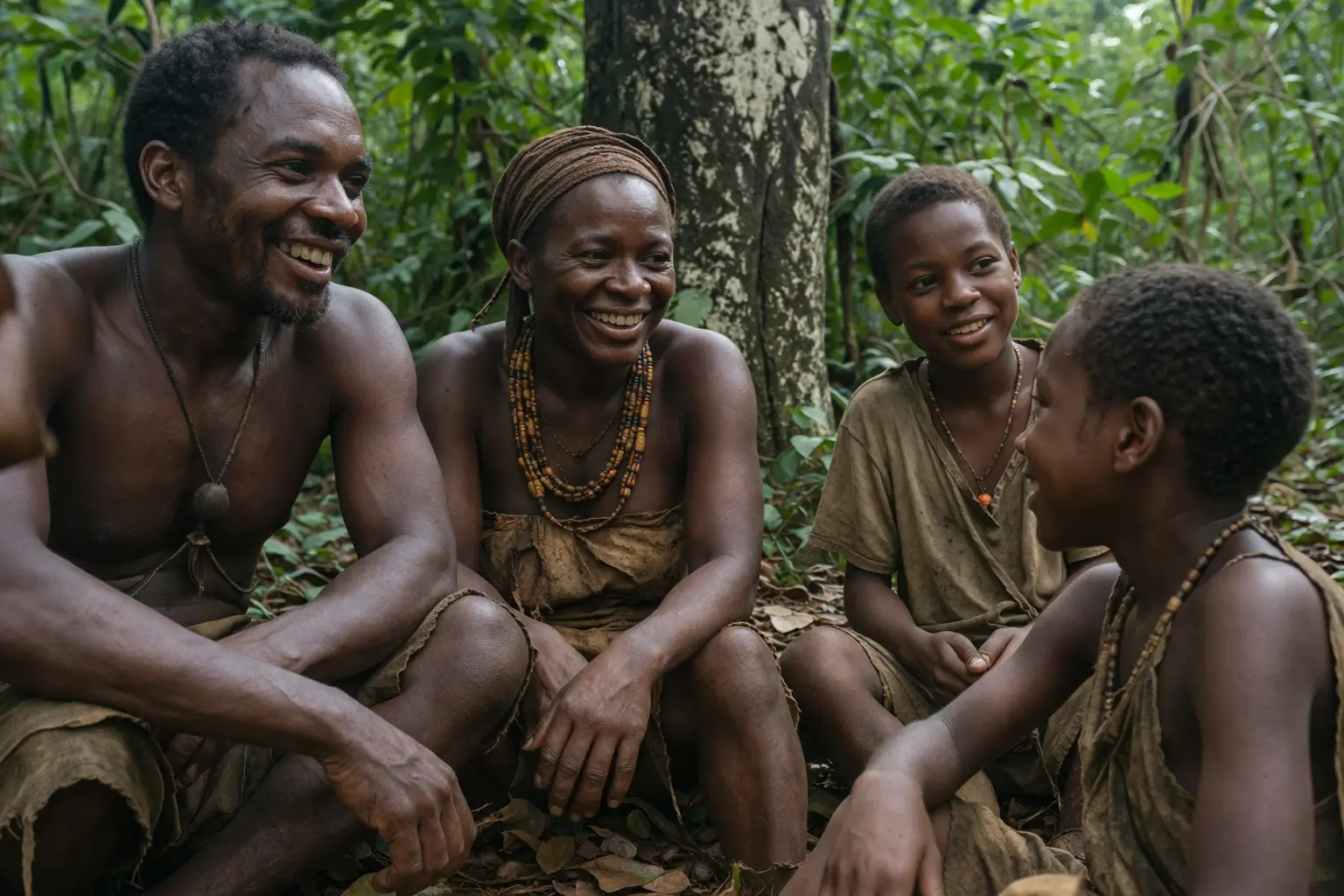
Aka: The Language of the BaAka People of Central Africa

Aka language

TL;DR: Aka is the traditional language of the BaAka rainforest communities of Central Africa, carrying centuries of cultural knowledge, storytelling, and ecological wisdom while facing modern challenges from globalisation and language shift. Deep in the rainforests of Central Africa, the Aka language has been spoken for generations by the BaAka people, one of the region’s … Read more

Why Learners Get Stuck at Intermediate Level

Learners Get Stuck at Intermediate Level

TL;DR: Learners often get stuck at the intermediate level because progress slows and improvements become less noticeable. Common causes include limited real-life practice, inconsistent study habits, fear of mistakes, and slow vocabulary growth. Many language learners reach a frustrating stage where progress seems to slow down. You can understand a lot and hold basic conversations, … Read more

How to Track Language Progress Without Tests

Language Progress Without Tests

TL;DR: You can track language progress without tests by noticing improvements in real use,  recognising more vocabulary, understanding conversations more easily, and speaking with greater confidence. Tools like journaling, recordings, apps, immersion, and feedback from others help measure progress over time. Many learners assume the only way to track improvement is through formal exams or … Read more

Tjupan: The Language and Heritage of the Tjupan People

Tjupan language

TL;DR Tjupan is an Indigenous Australian language deeply connected to the history, culture, and identity of the Tjupan people. Although it faces challenges from language decline and modern influences, community efforts, education, and documentation are helping preserve and revitalise it for future generations. Tjupan is more than a means of communication. It is a living … Read more

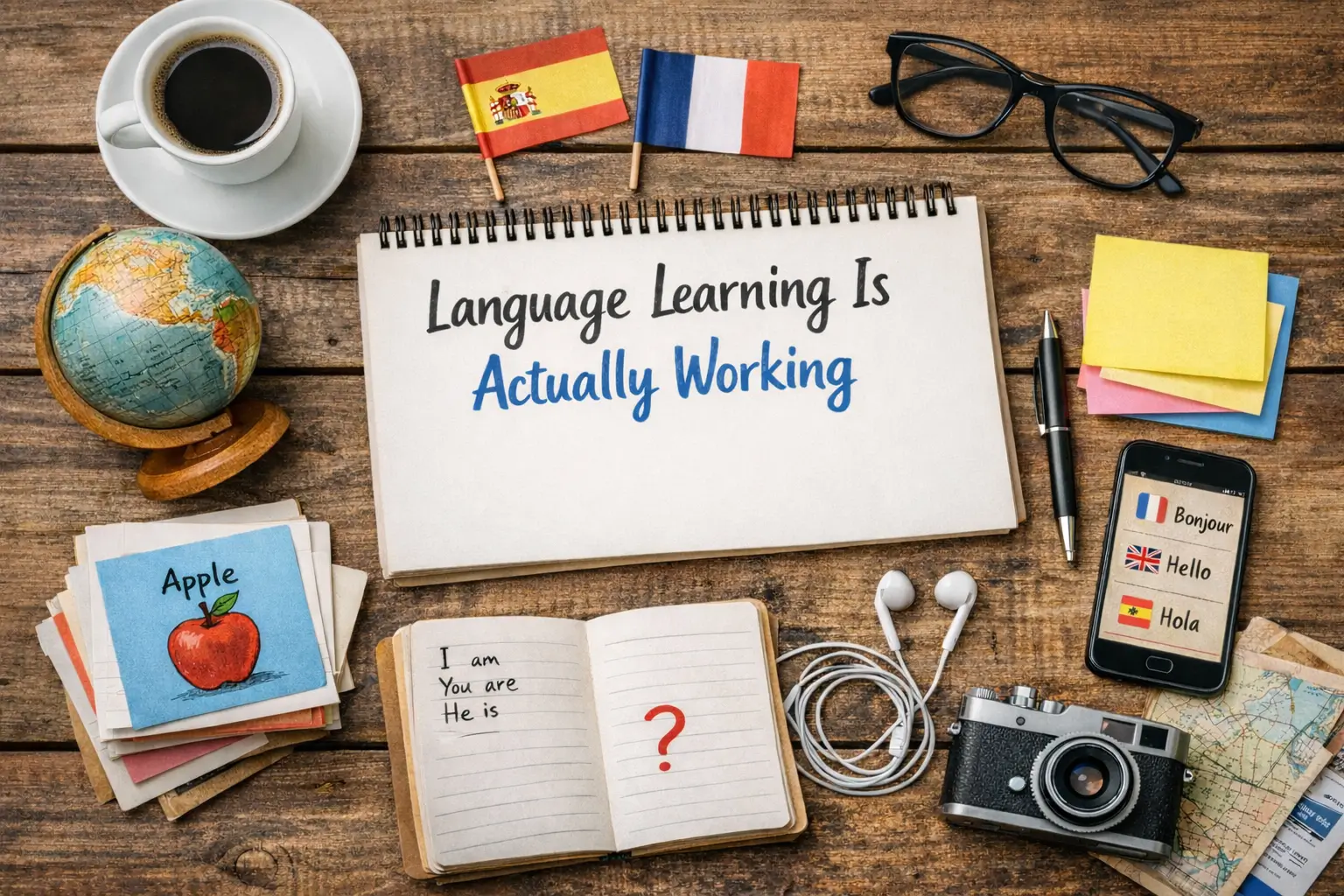
Signs Your Language Learning Is Actually Working

language learning is actually working

You study the vocabulary, practise the grammar, and you listen to podcasts, watch videos, and try to speak whenever you can. But sometimes it still feels like you’re not getting anywhere, even though your Language Learning Is Actually Working. The truth is, language learning progress is often subtle. Improvements happen gradually, and many of the … Read more