What Language Did Jesus Speak in Daily Life?

Language Did Jesus Speak

TL;DR: Jesus lived in a multilingual society where different languages served different roles, but the strongest historical evidence shows that he primarily spoke Aramaic in everyday life and teaching, used Hebrew in religious contexts through scripture and synagogue practice, and likely had some exposure to Greek for broader communication in a diverse Roman world, while … Read more


Why Archi Is One of the World’s Most Intricate Languages

Archi language

TL;DR: Archi is an extremely complex and highly endangered language spoken in a small village in Dagestan, notable for its dense grammar, rich case system, multiple noun classes, and highly detailed verb forms that can encode entire sentences into single words, while its unique sound system and flexible syntax push the limits of linguistic structure. … Read more

The Most Useful Phrases to Learn Before Visiting Any Country

Useful Phrases to Learn

TL;DR: Learning a small set of practical travel phrases can make a huge difference abroad, helping you handle greetings, directions, food, shopping, transport, accommodation, and emergencies with more confidence and less stress. Even if you only know a few words, using the local language shows respect, improves interactions, and often leads to a smoother, more … Read more

Sarikoli Language: The Vanishing Tongue of the Pamiris People

Sarikoli language

TL;DR: Sarikoli is a critically endangered Eastern Iranian language spoken by the Pamiri people in the Pamir Mountains, traditionally passed down orally without a standard writing system. While it preserves unique cultural knowledge, identity, and linguistic features shaped by isolation, it is rapidly declining as younger generations shift to dominant languages for education and work. … Read more

The Truth Of Makuva: One of Timor’s Most Endangered Languages

Makuva Language

TL;DR: Makuva is a near-extinct Austronesian language once spoken in eastern Timor, now surviving only in fragments through elders’ memories, place names, and scattered documentation. Its decline was driven by pressure from dominant languages, education systems, migration, and the lack of institutional support, showing how languages often disappear gradually rather than suddenly. Makuva is disappearing. … Read more

Exaptation in Linguistics: How Language Features Evolve New Functions

Exaptation in linguistics

TL;DR: Exaptation in linguistics is the process by which existing language features are reused for new purposes rather than being created from scratch. It helps explain how sounds, words, and grammatical structures shift roles over time as languages respond to social, cognitive, and communicative pressures. Exaptation in linguistics describes the process by which existing language … Read more

Mapoyo: The Venezuelan Language Down to Its Last Voices

Mapoyo Language

TL;DR: Mapoyo is a critically endangered Indigenous Cariban language from southern Venezuela, once spoken along the Orinoco River and now remembered by only a few elders. Its decline reflects colonisation, displacement, Spanish-language dominance, and the loss of intergenerational transmission, but it remains culturally vital because it preserves Mapoyo history, ecological knowledge, and identity. Mapoyo is … Read more

Constructed Languages: Complete Guide to Conlangs

constructed languages

TL;DR: Constructed languages, or conlangs, are intentionally created languages built for specific purposes such as global communication, artistic world-building, or linguistic experimentation. Unlike natural languages, they follow planned rules from the start, and famous examples like Esperanto, Klingon, and Toki Pona show how conlangs can reflect everything from political ideals to fictional cultures. Constructed Languages … Read more

Did Ancient Languages Sound Different? Inside the Glottalic Theory

Glottalic Theory

TL;DR: Ancient languages may have sounded sharper and more forceful than modern ones. The Glottalic Theory suggests that early languages like Proto-Indo-European used ejective (glottalised) consonants, giving speech a crisp, percussive quality. Ancient languages may not have sounded as smooth or familiar as we often imagine, a consideration central to the Glottalic Theory. The Glottalic … Read more

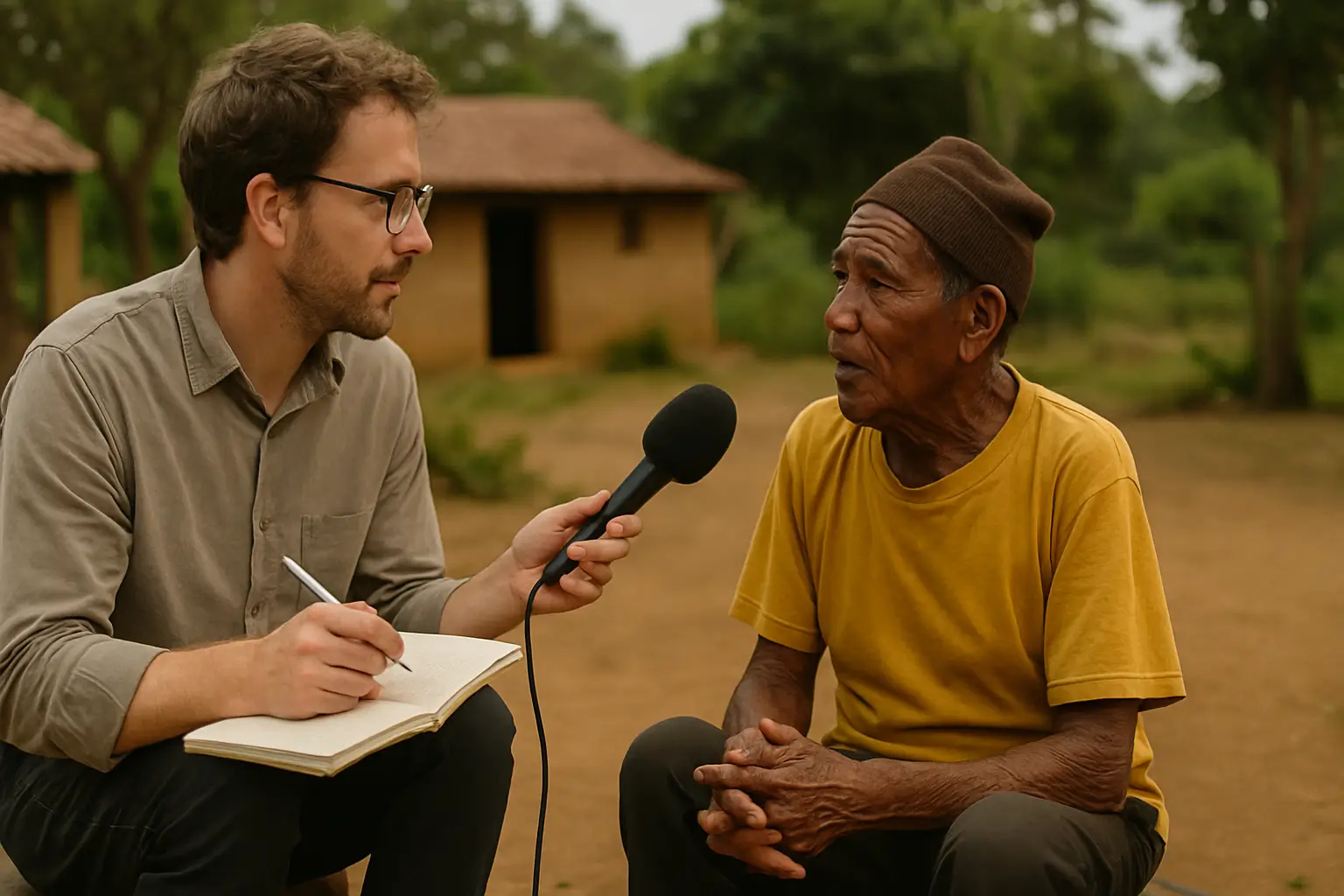
Language Documentation: Processes and Methods

language documentation

TL;DR: Linguists document languages through fieldwork, recordings, transcription, and specialised tools to capture how a language is actually used. They combine this with ethical, community-led collaboration to create lasting resources like grammars, dictionaries, and archives. The goal is not just to save words, but to preserve culture, identity, and knowledge for future generations. The effective … Read more